

Quick answer
The snorkeling minorque carte covers seven distinct coastal zones from Cala Pregonda in the northwest to Cala Mitjana in the south, with the northern marine reserve calas offering the clearest visibility between May and October. Most marked snorkel sites sit within 50 meters of shore and require no boat access. All public beaches and coves in Menorca charge zero entrance fees, though parking at popular calas costs between 5 and 8 EUR during summer months.
Menorca holds UNESCO Biosphere Reserve status, a designation that protects 43 percent of the island's territory and nearly all of its coastal waters. The protection began in 1993 and directly shapes what snorkelers encounter underwater today—dense Posidonia meadows, established grouper populations, and coral formations absent from neighboring islands. The snorkeling minorque carte divides the coastline into northern and southern zones, reflecting fundamental geological differences. Northern calas cut into dark slate and sandstone cliffs, creating steep drop-offs and rock channels that shelter octopus, moray eels, and schools of salema. Southern coves open onto white limestone platforms with shallow sandy entries and turtle grass beds where you'll find cuttlefish, sea bream, and occasional loggerhead turtle sightings between June and September. Water temperature ranges from 14°C in February to 26°C in August, with thermal layers stabilizing by late May. Cala Pregonda, Cala Pilar, and Cala Morell anchor the northwest sector—these require 20 to 40-minute walks from the nearest parking area and see fewer than thirty daily visitors outside July and August. The north coast marine reserve between Fornells and Addaia restricts anchoring and fishing, resulting in visibility that regularly exceeds 25 meters and fish populations three times denser than unprotected zones. Cala Tortuga and Cala Presili mark the eastern edge of this protected corridor. Southern highlights include Cala Macarella, Cala Turqueta, and Cala Mitjana, all reachable by paved road and equipped with basic facilities. These calas feature gradual depth transitions ideal for beginners but attract 200 to 400 daily visitors during peak season. Marine life density peaks during morning hours when fish schools feed along the reef edges and rocky outcrops. Afternoon winds develop predictably along the south coast after 14:00, reducing visibility and stirring bottom sediment in shallow areas. The snorkeling minorque carte prioritizes early access windows and notes which calas remain sheltered during typical summer wind patterns. Menorca's coastal trail, the Camí de Cavalls, connects nearly every named cala and provides navigation context for planning multi-day snorkel circuits around the island.
“Menorca's marine reserve zones maintain fish populations three times denser than unprotected coastal areas, with visibility regularly exceeding 25 meters through October.”
Best Time and Arrival for Snorkeling Minorque Carte
The period from late spring to early autumn provides the best water clarity for snorkeling, with the optimal daily arrival window being 07:00–10:00. This early start ensures calm sea conditions and minimal crowd density at popular coves.
May to June
Low to moderate19°C–23°C; ideal water temperatures for swimming.
Water remains clear and beaches are not at maximum capacity.
July to August
High25°C–29°C; warmest air and water.
Visitor numbers peak, requiring early arrival to secure a spot.
September to October
Moderate21°C–25°C; warm water persists.
Crowds diminish significantly, offering quieter access to snorkeling locations.
Weekday mornings
Very low—
Calm water conditions and limited foot traffic provide the best visibility.
Verdict: For the best snorkeling experience, visit between May and June or September and October, arriving at your chosen cove between 07:00–10:00.
Getting There: How to Use a Snorkeling Minorque Carte
Most snorkeling locations in Menorca are accessible via the Camí de Cavalls coastal path or designated secondary roads. Access to the most secluded calas often requires a combination of vehicle transport followed by a hike.
Me-1 to access road for Cala Macarella
Line 52 from Ciutadella to Cala Galdana
Camí de Cavalls trail from Cala Galdana to Cala Mitjana
Charter from Mahón or Ciutadella ports
Top Coves and Marine Spots on Your Snorkeling Minorque Carte
Menorca offers diverse marine environments ranging from sheltered sandy-bottomed calas to rocky inlets rich in biodiversity. These locations provide distinct visibility conditions and varied aquatic topography suitable for snorkelers.
Cala Macarella
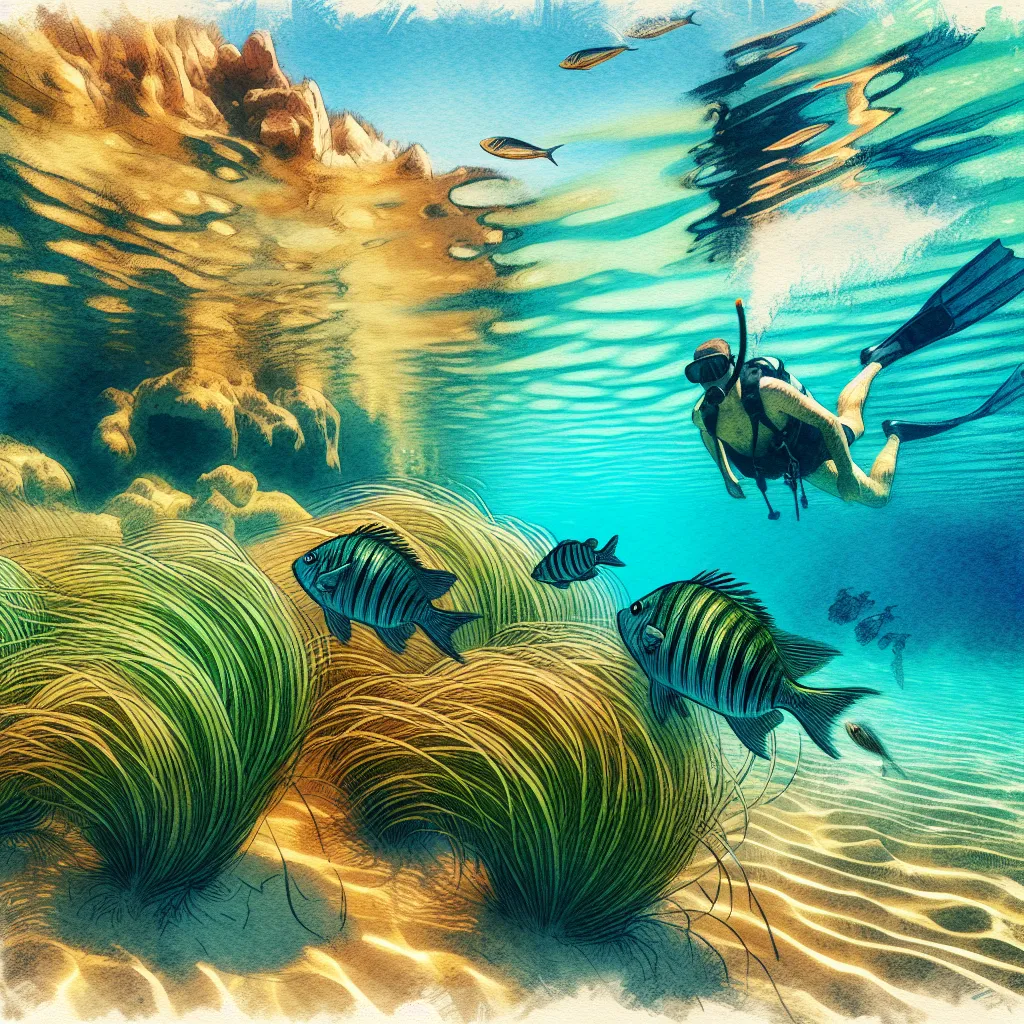
This cove features a seagrass meadow of Posidonia oceanica, which acts as a nursery for various Mediterranean fish species. The shallow waters near the rocks provide clear views of schools of damselfish.
Focus on the rocky edges to spot octopus in crevices.
Cala Turqueta
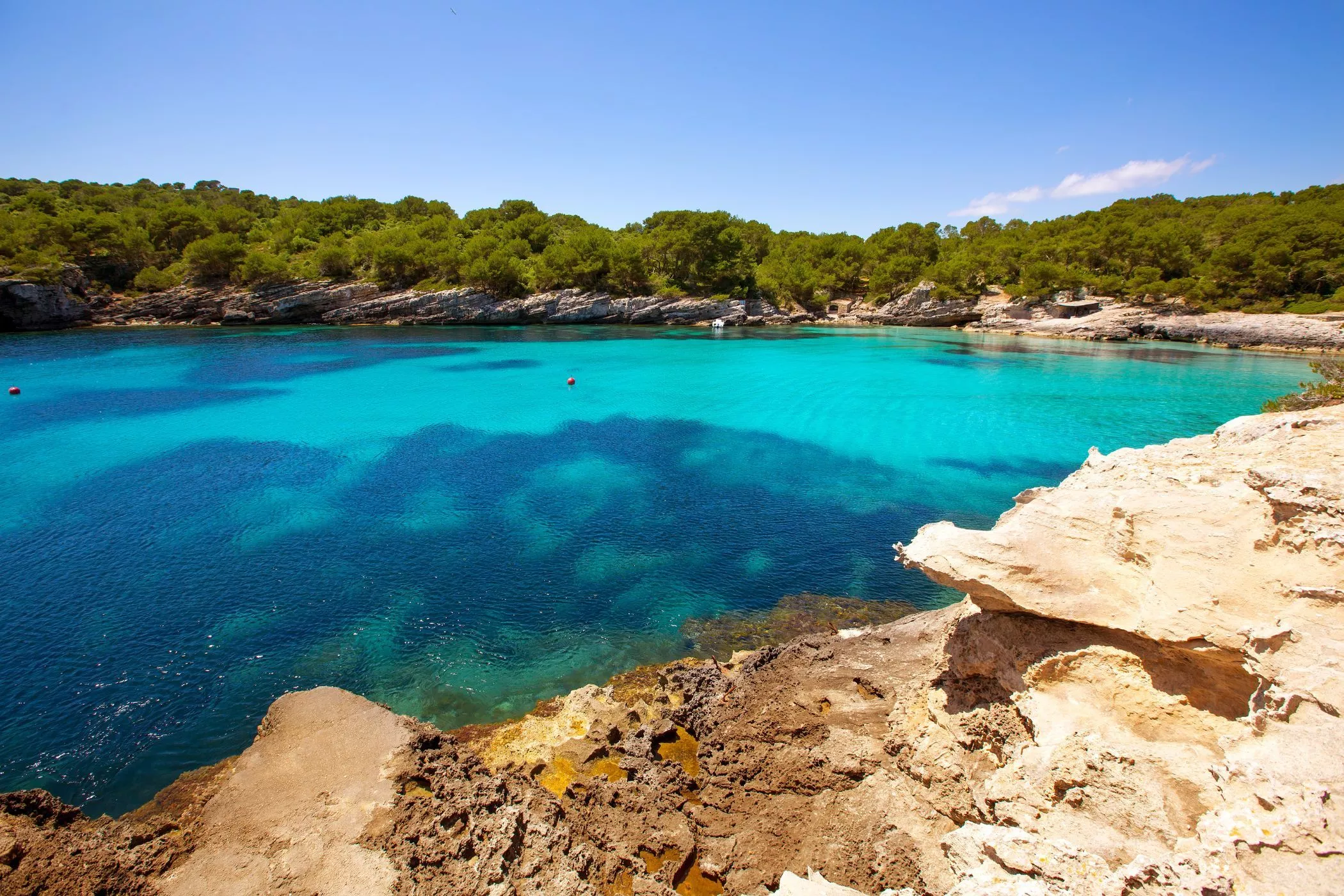
Known for its turquoise waters, this cala has a sandy seabed that reflects light, enhancing visibility for observing sea bream. The sides of the cove are lined with limestone formations populated by small marine organisms.
Swim toward the western cliffs for deeper water sightings.
Cala Galdana
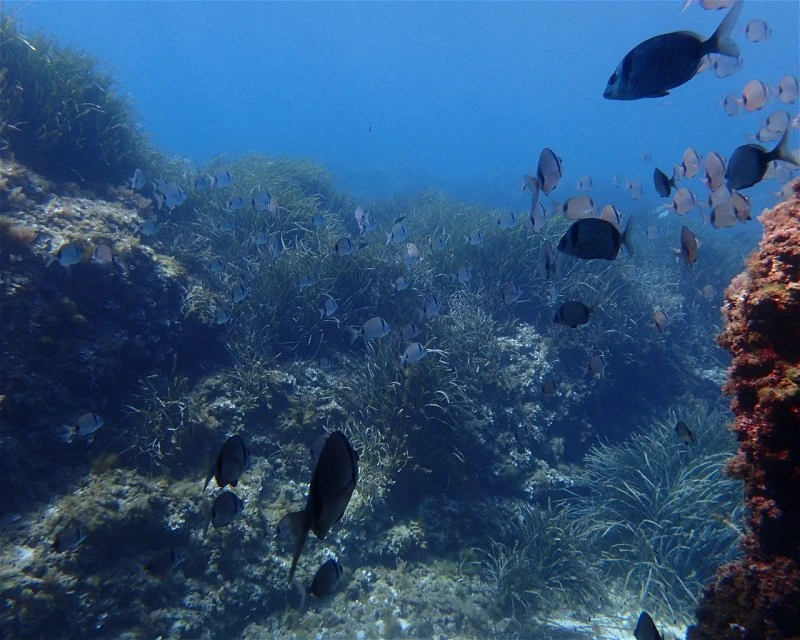
This expansive cove offers a mix of sandy patches and rocky zones protected from open sea swells. It is a suitable spot for observing common Mediterranean species like wrasse and mullet.
Explore the rocky perimeter near the exit of the cove.
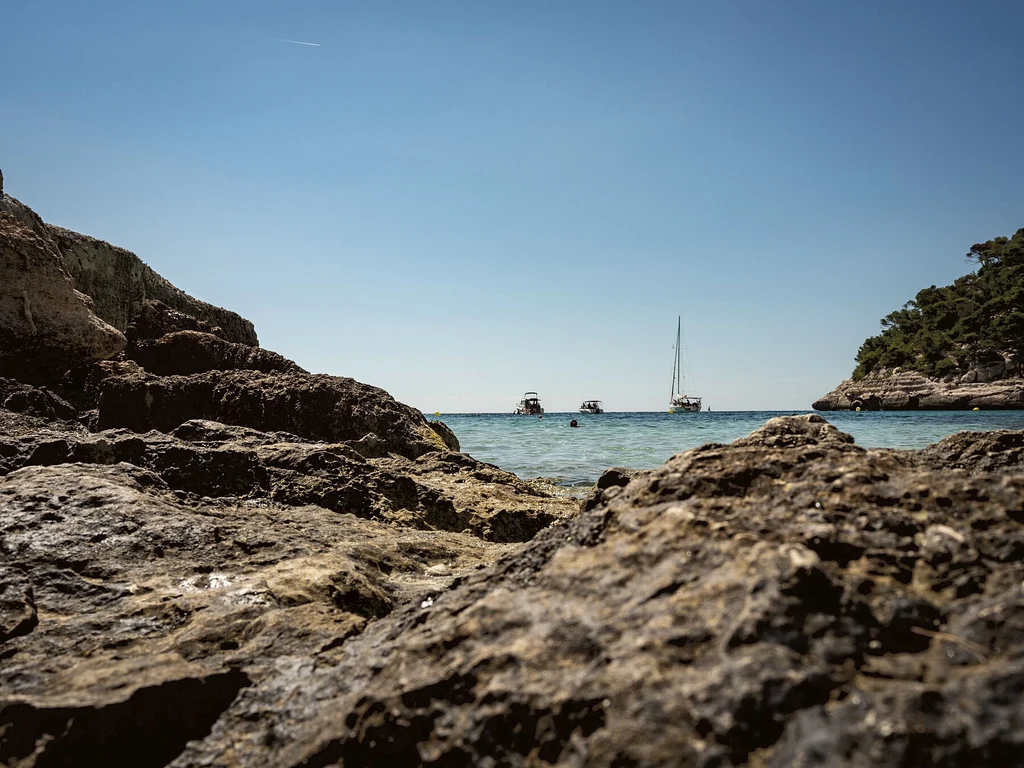
Cala Mitjana
Characterized by its deep-set shape and surrounding cliffs, this area creates a calm environment for observing marine life along the submerged rock faces. The water clarity often remains high due to the shelter provided by the cove walls.
Observe the seabed near the vertical cliff walls.
Opening Hours for Visiting Snorkeling Minorque Carte Spots
Public beaches and coves in Menorca are accessible to the public at all times throughout the week.
| Monday | 00:00–23:59 | |
|---|---|---|
| Tuesday | 00:00–23:59 | |
| Wednesday | 00:00–23:59 | |
| Thursday | 00:00–23:59 | |
| Friday | 00:00–23:59 | |
| Saturday | 00:00–23:59 | |
| Sunday | 00:00–23:59 |
Checklist for Using a Snorkeling Minorque Carte
Pack the right gear and plan your approach to make the most of Menorca's coastal snorkeling sites.
-
Bring mask, snorkel, and fins — Essential equipment for safe and comfortable underwater exploration.
-
Pack reef-safe sunscreen (SPF 30+) — Protects skin without damaging Menorca's marine ecosystems.
-
Wear water shoes or reef booties — Rocky entries at many calas require foot protection.
-
Carry a waterproof dry bag — Keeps phone, keys, and valuables safe near the water.
-
Bring drinking water and snacks — Limited facilities at remote coves, especially early morning.
-
Check wind and sea conditions online — Northern tramontana winds can reduce visibility and create choppy water.
-
Arrive between 07:00–10:00 — Morning light offers best visibility and calmer conditions before crowds.
Check availability
Frequently asked questions about snorkeling minorque carte
Everything you need to know about snorkeling minorque carte